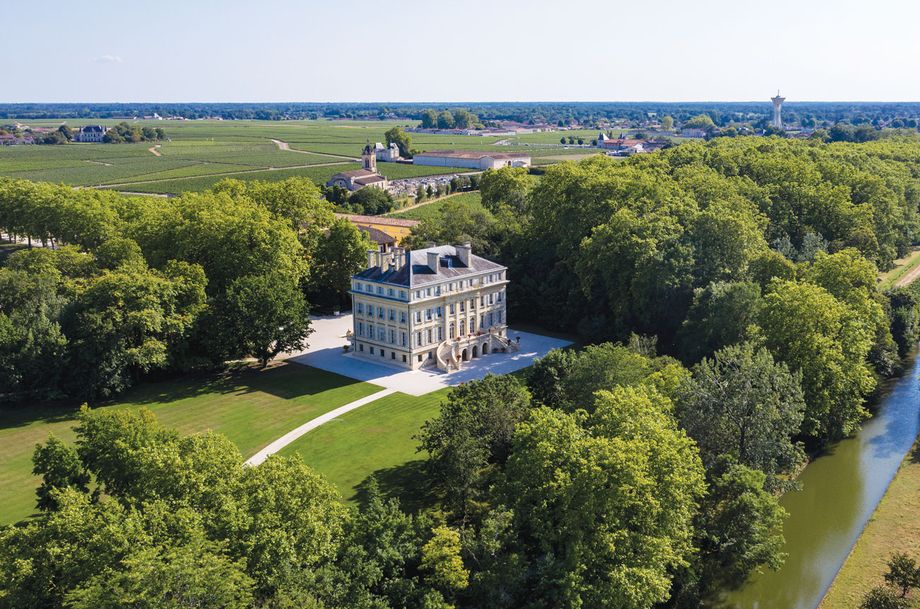
Château Margaux
5 min drive
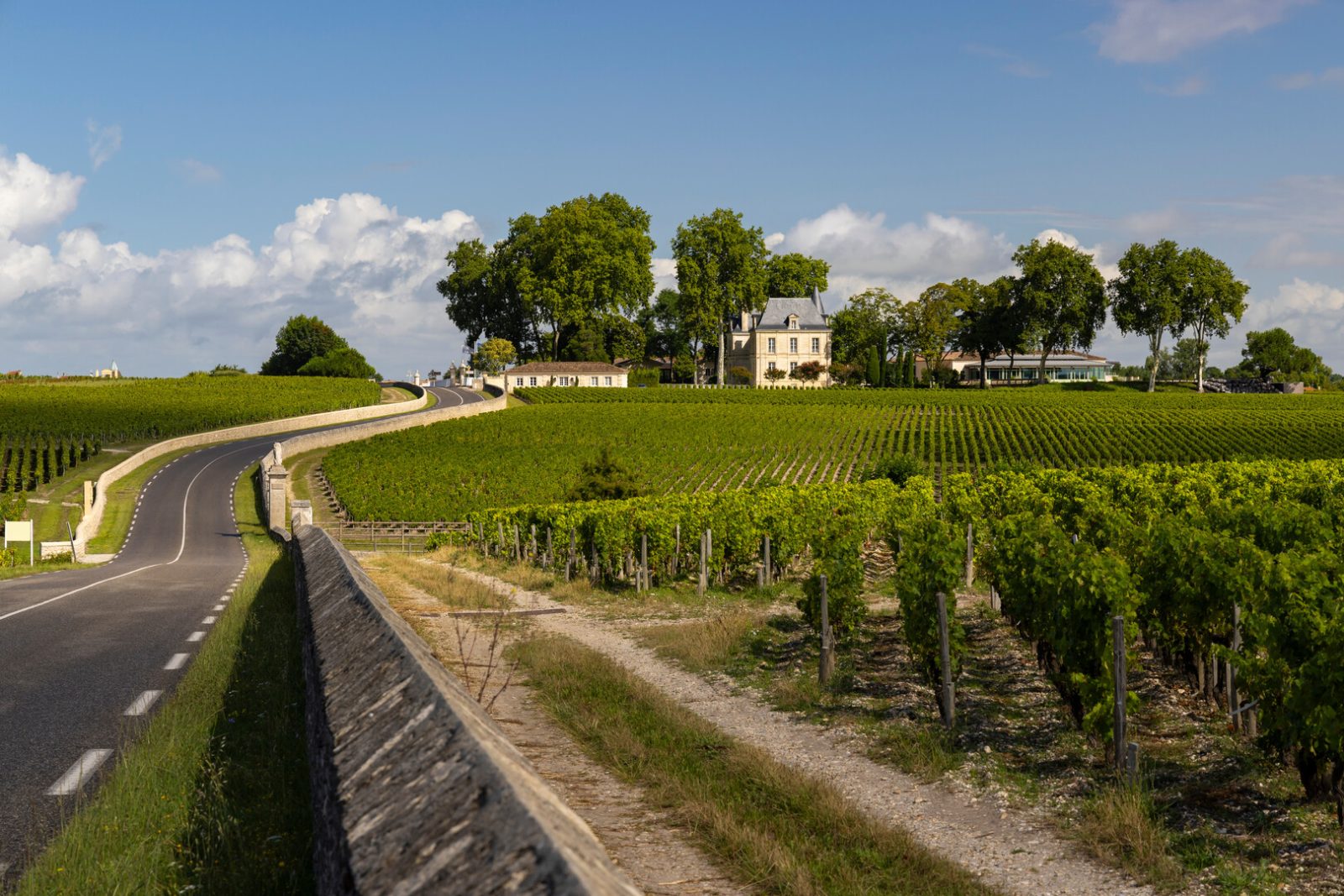
This iconic estate allows visitors to observe the neoclassical architecture and vineyards that define the Margaux appellation.
Margaux produces some of Bordeaux's most refined red wines, yet its identity remains misunderstood by casual visitors. This guide explains the appellation's boundaries, its signature grape varieties, the role of gravel terroir, and what to expect when you taste a wine labeled Margaux AOC.
Quick answer
Margaux wine refers to red wine produced within the Margaux appellation, a designated zone in the Haut-Médoc on Bordeaux's Left Bank. The appellation covers five communes—Margaux, Cantenac, Labarde, Arsac, and Soussans—and is defined by deep gravel soils that favor Cabernet Sauvignon. Margaux wines are typically blends dominated by Cabernet Sauvignon with Merlot, Cabernet Franc, and Petit Verdot, known for their aromatic complexity, fine tannins, and long aging potential.
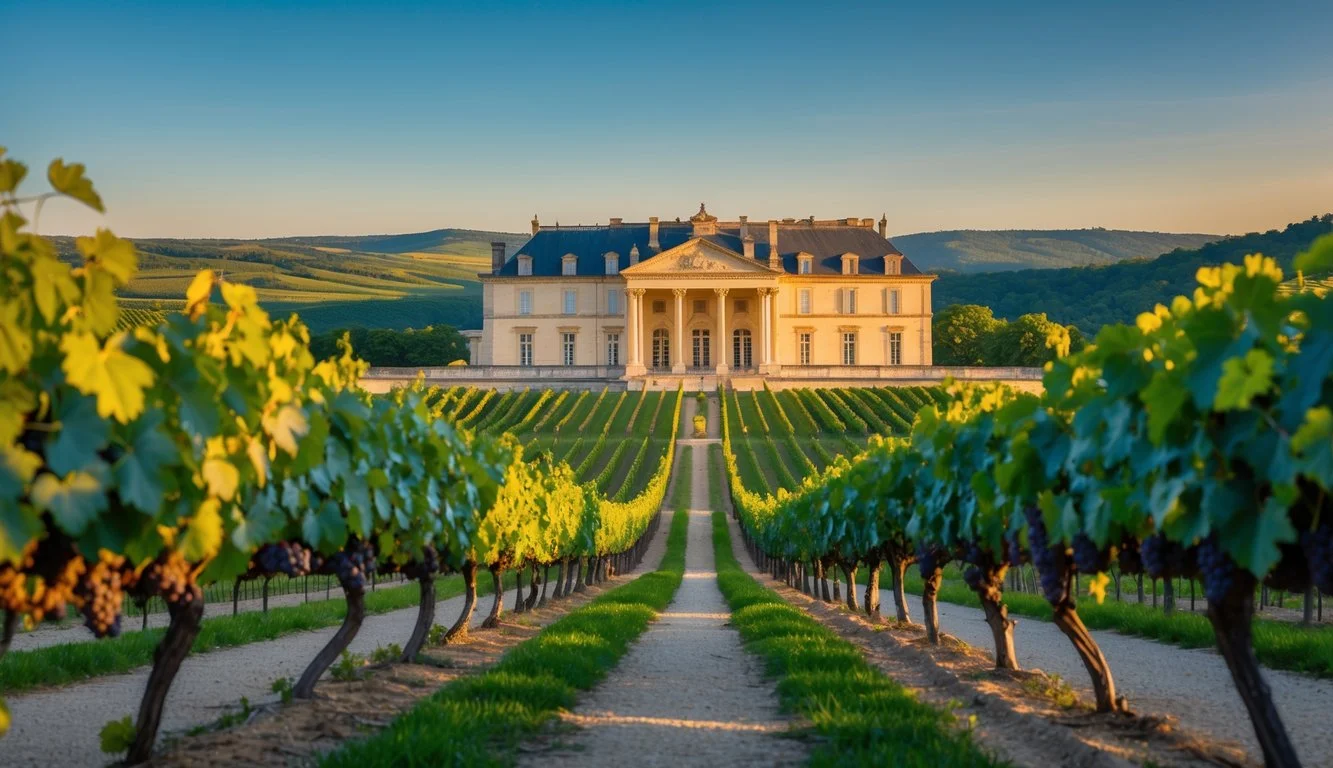
The Margaux appellation holds 1,500 hectares of vines, the largest communal AOC in the Médoc, yet it produces wine with a reputation for finesse rather than power. What is Margaux wine in practical terms? It is a Left Bank Bordeaux red built on gravel beds deposited by the Garonne River over millennia, a geology that drains water rapidly and forces vines to root deep. The result is fruit with concentration and structure, but also a lifted, floral character that distinguishes Margaux from the denser profiles of Pauillac to the north or the rounder style of Saint-Julien. Cabernet Sauvignon anchors most blends here, often comprising sixty to seventy percent of the final wine. Merlot softens the mid-palate, Cabernet Franc adds aromatic lift, and Petit Verdot contributes color and spice in warmer years. The appellation includes twenty-one classified estates from the 1855 Classification, among them Château Margaux itself, the sole First Growth in the commune. But the appellation's identity is not confined to its grands crus—dozens of cru bourgeois and unclassified properties work the same gravel terroir and produce wines that share the appellation's hallmark elegance. Margaux AOC law mandates hand-harvesting and sets strict yield limits, but the appellation's character is shaped as much by its soils as by regulation. The gravel plateaus around the village of Margaux offer the finest drainage; parcels closer to the river or in Arsac carry more clay and produce wines with added weight. Tasting a wine labeled Margaux reveals violet, cassis, and graphite on the nose, with tannins that feel polished rather than grippy. These are wines built for the cellar—most estates recommend ten to twenty years of aging for their grand vin bottlings—but younger vintages show the appellation's aromatic transparency even before full maturity. Visitors to the Margaux appellation will find estate tasting rooms open by appointment throughout the week, with the majority offering guided tours that walk through vineyard parcels, barrel cellars, and the bottling line. Understanding what is Margaux wine requires tasting it in context, comparing a young vintage against a mature one, and seeing the gravel beds that give the appellation its backbone. The Margaux tourism office in Cussac-Fort-Médoc coordinates estate visits and provides maps of the five communes, making it the practical starting point for anyone exploring the appellation on foot or by bicycle.
“Margaux produces wine with a reputation for finesse rather than power, shaped by gravel beds that force vines to root deep and yield fruit with lifted, floral character.”
Margaux wine originates from the Margaux AOC in the Médoc sub-region of Bordeaux, France, renowned for its distinct gravelly soils and elegant viticulture. It represents one of the most prestigious appellations within the Left Bank of the Bordeaux wine region.
The Margaux appellation contains 21 châteaux included in the historic 1855 Bordeaux Wine Official Classification. This ranking system was created at the request of Emperor Napoleon III for the Exposition Universelle in Paris.
Red wines from this region are primarily composed of Cabernet Sauvignon, often blended with Merlot, Cabernet Franc, and Petit Verdot. This grape composition contributes to the wine's characteristic aromatic complexity and refined tannins.
The unique soil composition of Margaux consists of deep layers of quaternary gravel over limestone and clay. This terroir provides excellent drainage, which forces vine roots to grow deep into the soil to access water and nutrients.
The Appellation d'Origine Contrôlée (AOC) Margaux status strictly regulates the production methods and geographic boundaries of the wine. Only wines produced within these defined communes are legally permitted to carry the Margaux label.
The appellation covers land across five communes: Margaux, Cantenac, Labarde, Arsac, and Soussans. Each commune contributes subtle variations to the overall profile of the wines produced under the AOC.
Due to their structure and phenolic maturity, high-quality Margaux wines are known for significant aging potential. These wines often evolve for decades, developing secondary and tertiary characteristics over time.
The most effective time to experience Margaux wine estates is between May and October, specifically during the weekday arrival window of 10:00–16:00. This period balances optimal weather for vineyard access with the standard operational schedules of the châteaux.
Mild temperatures 15°C–22°C
Vines are in the flowering stage and weather is generally comfortable for walking.
Warm and dry 18°C–28°C
This is the peak visitor season with consistently warm conditions.
Cooler 12°C–20°C
The harvest season occurs, offering a look at the most active period in the vineyard cycle.
—
Arriving between 10:00 and 12:00 allows for quieter tours before the afternoon influx.
Verdict: For the most balanced experience, visit Tuesday to Thursday during the harvest month of September within the 10:00–16:00 arrival window.
The Margaux-Médoc Tourism office welcomes visitors throughout the week, maintaining standard operating hours from Monday through Saturday.
Access to the Margaux wine region is free of charge, as it is a public territory. However, individual wine estates operate independently and maintain their own specific fee structures for tours and tastings.
Verdict: While regional entry is 0 EUR, visitors typically pay varying fees for tours and tastings based on the specific estate chosen.
The Margaux wine region is located in the Médoc peninsula, north of Bordeaux. Accessing the various estates is most efficient by private vehicle, as public transport is limited in the immediate vicinity of the vineyards.
D2 or D209 from Bordeaux
TER Line 33 from Bordeaux Saint-Jean to Margaux-Cantenac
TransGironde Line 703 to Margaux
While trains reach the town of Margaux, most estates are spread across the countryside; hiring a car or utilizing local taxi services from the station is recommended to navigate between properties.
Complement your exploration of Margaux wine by visiting neighboring historical landmarks and local artisanal hubs. These sites provide a broader perspective on the Médoc peninsula's architecture and regional culture.
5 min drive
This iconic estate allows visitors to observe the neoclassical architecture and vineyards that define the Margaux appellation.
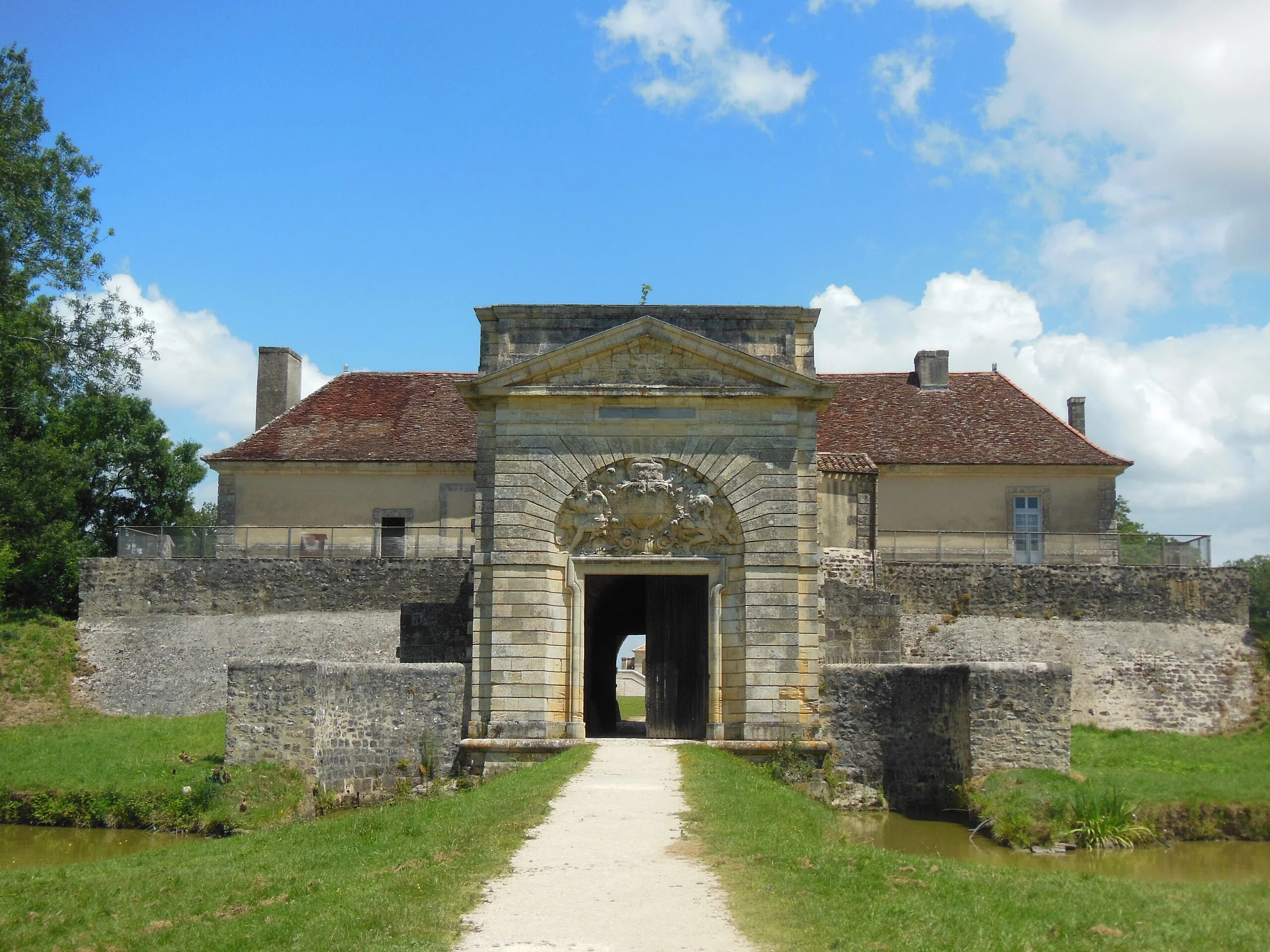
7 min drive
Part of the UNESCO World Heritage fortifications, this site offers historical context on the defense of the Gironde Estuary.
Immediately accessible
Traveling this scenic road connects the major estates of the Médoc, perfect for understanding the landscape of the terroir.
Everything you need to know about what is margaux wine
Margaux wine is a prestigious red wine produced in the Margaux appellation of the Bordeaux wine region in France, known for its elegance and complexity. The region is famous for its gravelly soil and historic châteaux that define the local terroir.
When planning your trip to explore what is margaux wine, please note the information center is located at Place des Commerces in Cussac-Fort-Médoc. You can access the region during the operating hours of 09:00 to 18:00 on weekdays, with Saturday hours from 10:00 to 18:00.
The profile of what is margaux wine typically features floral aromas, silkiness, and refined tannins, often blending Cabernet Sauvignon, Merlot, and Petit Verdot. These characteristics have made this French viticultural zone one of the most respected in the world.
There is 0 EUR entrance fee to the region itself. However, individual estates manage their own operations and charge their own fees for guided tours and tastings.
The best arrival window for visiting estates is between 10:00 and 16:00 to ensure you arrive before late afternoon closures. Visiting during these hours maximizes your time to experience the heritage of the Bordeaux region.
While some estates are welcoming, it is essential to check individual policies before arriving, as many tasting rooms focus on adult-centric tours. Always contact the specific estate in advance to see if they can accommodate families for a tour of their cellars.
A common mistake is failing to book appointments at individual châteaux in advance, which can lead to limited access. Ensure you verify the schedule for each location and aim to arrive within the recommended morning to mid-afternoon time frame.